Frequently Asked Questions
How do you troubleshoot an appliance?
Troubleshooting an appliance involves identifying the issue by checking power connections, inspecting for visible damages, and listening for unusual noises. If basic fixes don't work, consult the user manual or seek professional assistance for complex problems.
How to identify a faulty appliance?
Identifying a faulty appliance involves checking for signs such as unusual noises, failure to start, inconsistent performance, and visible damage. If these issues arise, professional assessment may be necessary to confirm the fault and determine the appropriate repair.
What is the first step in troubleshooting an appliance?
The first step in troubleshooting an appliance is to identify the specific issue by observing the appliance's performance and any unusual sounds or error messages. This assessment will guide further diagnosis and repairs.
What could lead to the breakdown of home appliances?
The causes of home appliance breakdowns include electrical issues, inadequate maintenance, wear and tear, improper usage, and manufacturer defects. Regular care and prompt attention to repairs can help prolong their lifespan.
What tools do you need for troubleshooting?
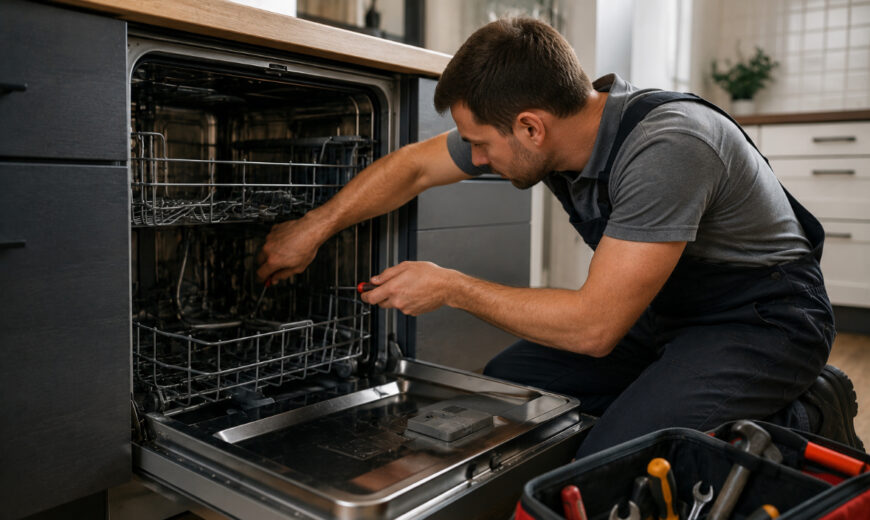
The tools needed for troubleshooting include a multimeter for electrical testing, screwdrivers for disassembly, pliers for gripping, and a vacuum for cleaning. Having a basic toolkit ensures efficient identification and resolution of appliance issues.
How to test appliance components effectively?
Effectively testing appliance components involves using a multimeter to check continuity, voltage, and resistance. Begin by disconnecting the power, then systematically test each component following the manufacturer's guidelines to ensure accurate results.
What signs indicate appliance malfunction?
Signs that indicate appliance malfunction include unusual noises, inconsistent performance, leaks, and error messages. Additionally, appliances that produce strange smells or do not turn on are also clear indicators that repairs may be necessary.
How to reset common household appliances?
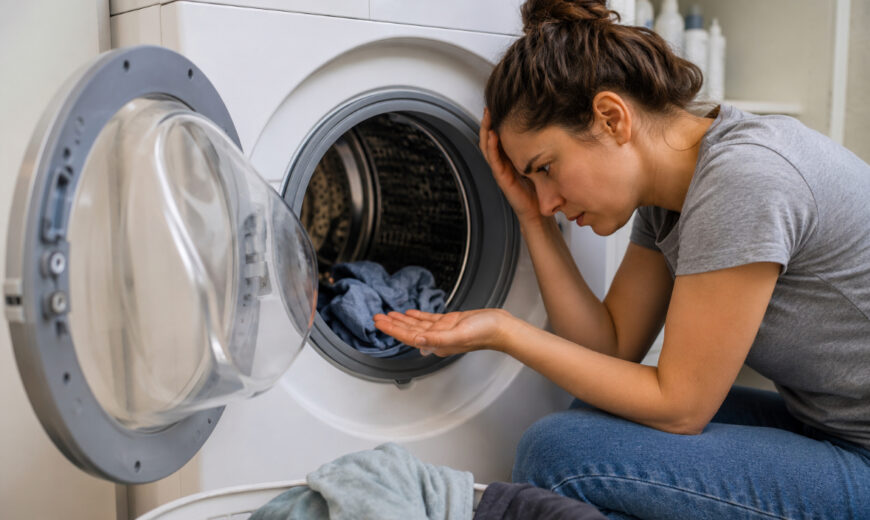
Resetting common household appliances involves unplugging the device for a few minutes, then reconnecting it to restore default settings. For some appliances, like washers or microwaves, consult the user manual for specific reset instructions.
When should you replace your appliances?
Knowing when to replace your appliances is essential. You should consider replacement if your appliance is over 10-15 years old, requires frequent repairs, or is inefficient, significantly increasing your energy bills.
What are common appliance issues at home?
Common appliance issues at home include malfunctioning refrigerators, unresponsive ovens, leaking dishwashers, and inconsistent washing machines. These problems often arise from wear and tear or neglect in maintenance. Regular care can help prevent many of these issues.
How can you safely troubleshoot appliances?
To safely troubleshoot appliances, ensure you unplug the device before inspection, use insulated tools, and consult the user manual for guidance on specific issues. Always prioritize safety to avoid electrical shock and injury.
What resources help with appliance repair?
Resources that help with appliance repair include online tutorials, manufacturer manuals, and appliance repair websites. Additionally, local repair services like District Appliance Services offer expert guidance and tips for maintaining your appliances effectively.
How to prevent appliance breakdowns at home?
Preventing appliance breakdowns at home involves regular maintenance and proper use. Ensure to clean filters, check seals, and avoid overloading appliances to extend their lifespan and reduce the likelihood of malfunctions.
What maintenance tips extend appliance lifespan?
Maintaining appliances properly extends their lifespan. Regular cleaning, timely servicing, and adhering to manufacturer guidelines significantly enhance efficiency and durability. Additionally, avoiding overloads and ensuring proper ventilation can prevent premature wear and tear.
How to determine repair costs for appliances?
Determining repair costs for appliances involves evaluating the problem's severity, obtaining estimates from repair professionals, and considering the appliance’s age and value. Comparing repair costs with replacement costs can help you make an informed decision.
What are DIY tips for appliance repair?
DIY tips for appliance repair include regular maintenance checks, cleaning filters, and inspecting hoses for clogs. Identify common problems using user manuals and online resources, and for safety, always unplug appliances before attempting repairs.
How to recognize minor appliance problems?
Recognizing minor appliance problems involves being alert to unusual noises, inconsistent performance, or visible wear and tear. Regularly checking for leaks or strange smells can also help identify issues before they escalate, ensuring your appliances run efficiently.
What troubleshooting steps apply to all appliances?
Troubleshooting steps that apply to all appliances include checking the power supply, ensuring proper connections, inspecting for visible damage, and consulting the user manual for specific guidance. These fundamental steps can help identify common issues before seeking professional assistance.
How can you diagnose heating appliance issues?
Diagnosing heating appliance issues involves checking for common problems such as power supply, thermostat settings, and blockages. Look for unusual sounds or error codes to identify specific malfunctions that may require professional repair.
What factors affect appliance efficiency?
The factors that affect appliance efficiency include appliance age, maintenance, usage patterns, energy source, and design. Regular upkeep and proper usage can significantly enhance performance and reduce energy consumption.
How to address strange appliance noises?
Strange appliance noises can often indicate a problem that needs attention. To address these noises, first, identify the source and type of sound; then check for loose parts, clogs, or alignment issues. If unresolved, consult a professional for repair.
What should you check before repairs?
Before repairs, you should check the appliance’s power source, any visible damage, error codes, and whether the appliance is under warranty. Additionally, ensure you have the necessary tools and parts ready for the repair process.
How do you handle appliance warranty issues?
Handling appliance warranty issues involves verifying whether the appliance is still under warranty, then coordinating with the manufacturer for repairs or replacements. We assist customers in navigating this process to ensure a smooth resolution.
What are the safety tips for DIY repairs?
Safety tips for DIY repairs include ensuring the appliance is unplugged, wearing appropriate protective gear, using the right tools, and following the manufacturer's guidelines. Always prioritize safety to prevent accidents while conducting repairs.
How to troubleshoot a refrigerator that won’t cool?
Troubleshooting a refrigerator that won’t cool involves checking the thermostat settings, ensuring the condenser coils are clean, and making sure the door seals are airtight. If these steps don’t resolve the issue, consider seeking professional repair services.
What diagnostic tools are useful for repairs?
Diagnostic tools useful for appliance repairs include multimeters for electrical diagnostics, refrigerant scales for HVAC systems, and specialized appliance repair tools like screwdrivers and wrenches. These tools help accurately identify issues, ensuring efficient and effective repairs.
How to check for power supply issues?
Checking for power supply issues involves inspecting the appliance’s power cord and outlet, ensuring that the outlet is functioning by testing it with another device, and checking the circuit breaker for any tripped switches.
What common mistakes occur during repairs?
Common mistakes during repairs include overlooking safety precautions, misdiagnosing the problem, using incorrect tools, and neglecting manufacturer's guidelines. These errors can lead to further damage and safety hazards, complicating the repair process.
How to analyze appliance error codes?
Analyzing appliance error codes involves referencing the user manual or manufacturer’s website to decode the error signals. Identify the code, understand its meaning, and, if necessary, consult a professional for complex issues.
What preventive measures avoid appliance failures?
Preventive measures to avoid appliance failures include regular maintenance, such as cleaning filters, checking hoses, and ensuring proper ventilation. Additionally, following the manufacturer's guidelines for usage and keeping appliances dry can significantly extend their lifespan.