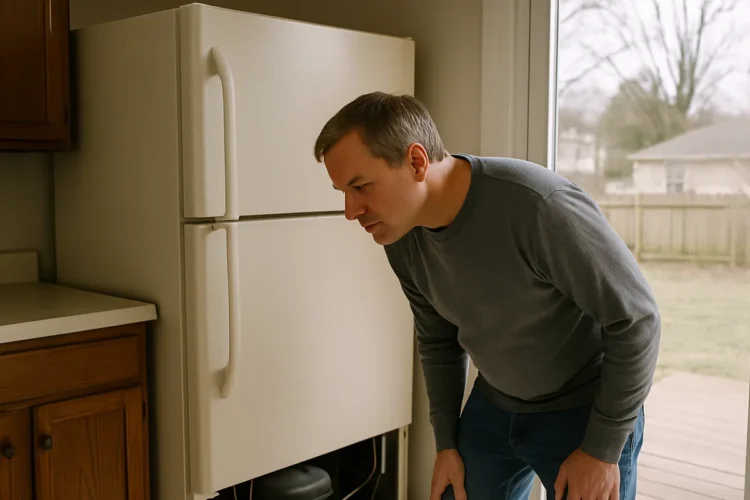

During a hot summer in Arlington, VA and the surrounding DMV (District, Maryland, and Virginia) area, your refrigerator works much harder to keep food at a safe temperature. If you open the door and find warm milk, soft ice cream, or fresh produce spoiling sooner than expected, it’s a sign that the appliance isn’t removing heat efficiently. While many homeowners assume the refrigerator has completely failed, the problem is often caused by restricted airflow, dirty condenser coils, worn components, or poor ventilation that become more noticeable during periods of extreme heat.
A refrigerator that isn’t cooling properly shouldn’t be ignored. Food stored above 40°F can begin entering the temperature danger zone where bacteria multiply rapidly. Understanding the common causes of cooling problems can help you decide whether a simple adjustment will solve the issue or if it’s time to schedule professional refrigerator repair before you lose hundreds of dollars’ worth of groceries.
Why Does DMV Summer Heat Make Refrigerators Work Harder?

Your refrigerator continuously transfers heat from inside the cabinet to the air around the appliance. During Arlington’s hot and humid summers, especially when kitchen temperatures rise because of cooking or direct afternoon sunlight, the refrigerator must remove significantly more heat to maintain proper food storage temperatures.
Frequent door openings, warm groceries, and limited airflow around the appliance increase the workload even further. The compressor responds by running longer cooling cycles, and if any component is already beginning to wear out, the refrigerator may struggle to maintain safe temperatures.
| Summer Condition | How It Affects Refrigerator Performance |
|---|---|
| Kitchen temperatures above 80°F | Compressor runs longer to maintain cooling. |
| Frequent door openings | Warm, humid air enters the refrigerator. |
| Overstocked shelves | Restricts cold air circulation between food items. |
| Poor airflow behind the refrigerator | Makes it harder for condenser coils to release heat. |
| Dirty condenser coils | Reduces cooling efficiency and increases energy consumption. |
Longer run times during summer are normal, but food should still remain safely cooled. If it doesn’t, the refrigerator likely needs attention.
What Are the Most Common Reasons a Refrigerator Stops Cooling?
Most refrigerator cooling problems develop gradually rather than happening overnight. Components that perform adequately during cooler months may begin struggling once summer temperatures increase and the appliance operates almost continuously.
Dirty Condenser Coils
Dust, pet hair, and household debris insulate the condenser coils, preventing heat from escaping efficiently. As heat builds up, the compressor must work harder while delivering less cooling inside the refrigerator.
Poor Air Circulation
Overloading shelves or blocking interior air vents prevents cold air from circulating throughout the refrigerator. This often causes certain sections to feel warm while others remain cold.
Damaged Door Gasket
A cracked or worn door seal allows warm, humid kitchen air to leak inside every minute of the day. The refrigerator must continuously remove this extra heat, increasing compressor runtime and energy consumption.
Failing Start Components
A weak start relay or failing compressor capacitor may prevent the compressor from starting consistently. Homeowners often notice clicking sounds, inconsistent cooling, or longer periods where the refrigerator isn’t maintaining the correct temperature.
If your refrigerator continues struggling after basic cleaning and airflow checks, scheduling professional refrigerator repair helps identify the underlying problem before additional components are affected.
How Can You Tell Your Refrigerator Is Losing Cooling Performance?

Most refrigerators show warning signs before they stop cooling completely. Recognizing these early symptoms can help you schedule repairs before food spoils or a small issue becomes a major component failure.
| Warning Sign | What It Could Mean |
|---|---|
| Milk spoils before its expiration date | Refrigerator temperature is consistently above 40°F. |
| Ice cream becomes soft | Freezer isn’t maintaining 0°F properly. |
| Compressor runs almost constantly | Cooling efficiency has decreased or airflow is restricted. |
| Condensation forms inside the refrigerator | Warm, humid air is entering through a damaged door seal or frequent door openings. |
| Higher electric bills during summer | The refrigerator is consuming more energy to maintain cooling. |
If you notice more than one of these symptoms, don’t wait until the refrigerator stops cooling completely. Choosing an experienced appliance repair company for professional refrigerator repair can often restore proper cooling, improve energy efficiency, and help prevent costly food loss during the hottest months of the year.
What Can You Check Before Calling a Refrigerator Repair Technician?
Before assuming your refrigerator needs a major repair, there are a few simple checks you can safely perform. While these won’t fix internal mechanical failures, they can rule out common issues that reduce cooling performance during Arlington’s hottest months.
- Verify the temperature setting: The refrigerator should be set between 37°F and 40°F, while the freezer should remain at 0°F.
- Check air vents: Make sure food containers aren’t blocking the interior vents that distribute cold air throughout the cabinet.
- Clean the condenser coils: If your model has accessible coils, removing accumulated dust can improve heat transfer and reduce compressor workload.
- Inspect the door gasket: Close the door on a dollar bill. If it slides out easily without resistance, the seal may no longer be airtight.
- Confirm proper ventilation: Most refrigerators need 1 to 2 inches of clearance behind the unit and several inches above it so heat can escape efficiently.
If the refrigerator still isn’t cooling after these basic checks, the problem likely involves components that require professional diagnostic equipment and appliance repair experience.
Which Refrigerator Components Commonly Fail During Hot Weather?
When outdoor temperatures climb, every part of the refrigeration system operates under greater stress. Components that have gradually worn over years of use often begin showing symptoms during peak summer conditions.
| Component | How It Affects Cooling |
|---|---|
| Compressor | Cannot circulate refrigerant efficiently, reducing overall cooling capacity. |
| Evaporator fan motor | Prevents cold air from moving from the freezer into the refrigerator compartment. |
| Condenser fan motor | Fails to remove heat from the condenser coils, causing high operating temperatures. |
| Defrost system | Frost buildup blocks airflow across the evaporator coil. |
| Temperature control thermostat or sensor | Sends incorrect temperature readings, causing inconsistent cooling cycles. |
Professional technicians diagnose these components using electrical testing equipment, temperature measurements, and manufacturer service procedures rather than replacing parts based on guesswork.
Why Professional Diagnosis Saves Time and Money

Modern refrigerators contain electronic control boards, inverter compressors, variable-speed fans, and multiple temperature sensors. A cooling problem can have several possible causes that produce nearly identical symptoms.
Replacing parts without confirming the actual fault often increases repair costs while leaving the original problem unresolved. An experienced technician will inspect airflow, measure operating temperatures, test electrical components, evaluate refrigerant system performance, and verify that all cooling functions are operating as designed before recommending a repair.
This systematic approach helps homeowners avoid unnecessary part replacements and extends the life of the appliance whenever a repair is practical.
Why Arlington Homeowners Trust District Appliance Services for Refrigerator Repair

When your refrigerator isn’t keeping food cold during a DMV summer, timely service matters. With more than 20 years of appliance repair experience, District Appliance Services diagnoses refrigerator cooling problems accurately and repairs all major refrigerator brands using proven troubleshooting methods.
Whether the issue involves a failing compressor component, evaporator fan, condenser fan, thermostat, defrost system, or restricted airflow, the team focuses on identifying the root cause instead of simply replacing parts. Their familiarity with homes and condos throughout Arlington, VA, and the surrounding DMV area allows them to provide reliable, efficient service when homeowners need it most.
If your refrigerator is no longer maintaining safe temperatures, schedule a professional refrigerator repair service with District Appliance Services. A prompt inspection can restore cooling performance, help protect your food, and prevent a minor issue from turning into a much more expensive repair.