
A refrigerator that starts clicking every few minutes, humming louder than usual, or buzzing from the back or freezer compartment can leave you wondering whether the sound is normal or the first sign of a repair problem. Some noises are simply part of the cooling cycle, while others can point to a fan, ice maker, compressor-start component, or another part that needs attention.
For Arlington, VA homeowners, knowing the difference can help you avoid ignoring a developing problem or assuming a normal operating sound means an expensive repair. This guide breaks down the most common clicking, humming, and buzzing sounds, where they usually come from, and what each sound can tell you about your refrigerator.
Which Refrigerator Sounds Are Normal?
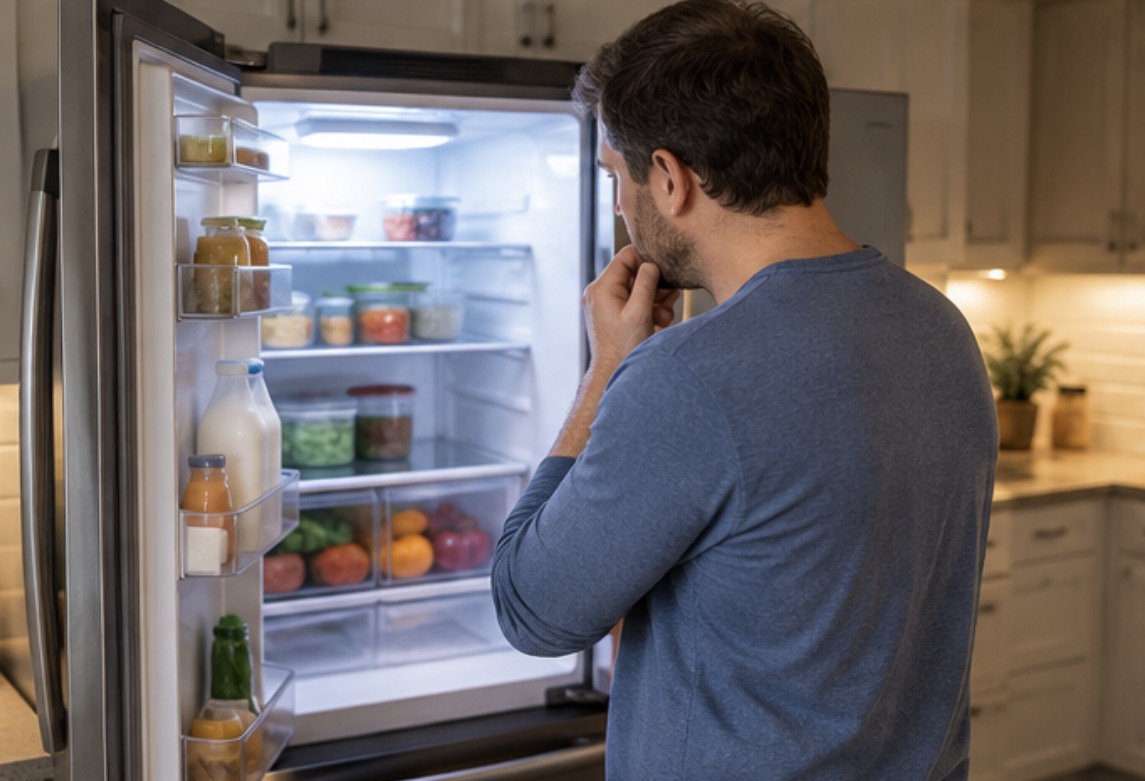
A refrigerator naturally makes noise as its compressor, fans, ice maker, and cooling controls operate throughout the day. A low hum, soft fan sound, occasional click, brief ice-maker buzz, or gurgling from refrigerant and water movement can all be normal. What matters most is whether the sound is new, unusually loud, or accompanied by poor cooling.
Normal sounds can include:
- Low humming: Usually comes from the compressor or an operating fan.
- Soft fan noise: Fans circulate air through the refrigerator and freezer.
- Occasional clicking: Controls and other components can click as the refrigerator cycles.
- Gurgling or flowing sounds: Refrigerant and water moving through the appliance can create these noises.
- Popping or cracking: Interior materials can expand and contract as temperatures change.
- Short buzzing from the ice maker: The water valve may briefly operate during an ice-making cycle.
The biggest warning sign is a change from your refrigerator’s normal sound pattern. A quiet hum that has always been present is usually less concerning if cooling remains consistent. However, a new or increasingly loud noise, especially with warming food, is a good reason to schedule professional appliance repair service before the problem gets worse.
What Does a Clicking Sound From a Refrigerator Mean?
An occasional click can be completely normal as the refrigerator starts, stops, or moves through a cooling or defrost cycle. The concern is a repeated clicking sound, especially when the refrigerator is struggling to maintain its temperature.
Listen for a pattern such as:
- A sharp click occurs from the lower rear area.
- The refrigerator attempts to start its cooling cycle.
- A brief hum or buzz follows the click.
- The sound stops without normal cooling operation.
- The same clicking sequence repeats several minutes later.
This pattern can point to an issue with the compressor-start components or the compressor itself, but the sound alone cannot confirm the failed part. If repeated clicking is accompanied by warmer food or rising freezer temperatures, scheduling refrigerator repair is the safer next step.
When Repeated Clicking Becomes a Concern
Pay closer attention if clicking occurs along with:
- The refrigerator or freezer getting warmer
- Food not staying properly chilled
- The compressor repeatedly trying to start
- A new buzzing or humming sound
- The refrigerator running but not maintaining temperature
A click coming from the lower rear of the appliance can point toward components in the compressor compartment. A click from inside the freezer may have a different source, such as the ice maker or another internal component.
If repeated clicking is accompanied by cooling problems, professional refrigerator repair can help determine whether the issue involves a starting component, compressor, control, or another part.
Why Is My Refrigerator Humming or Buzzing?
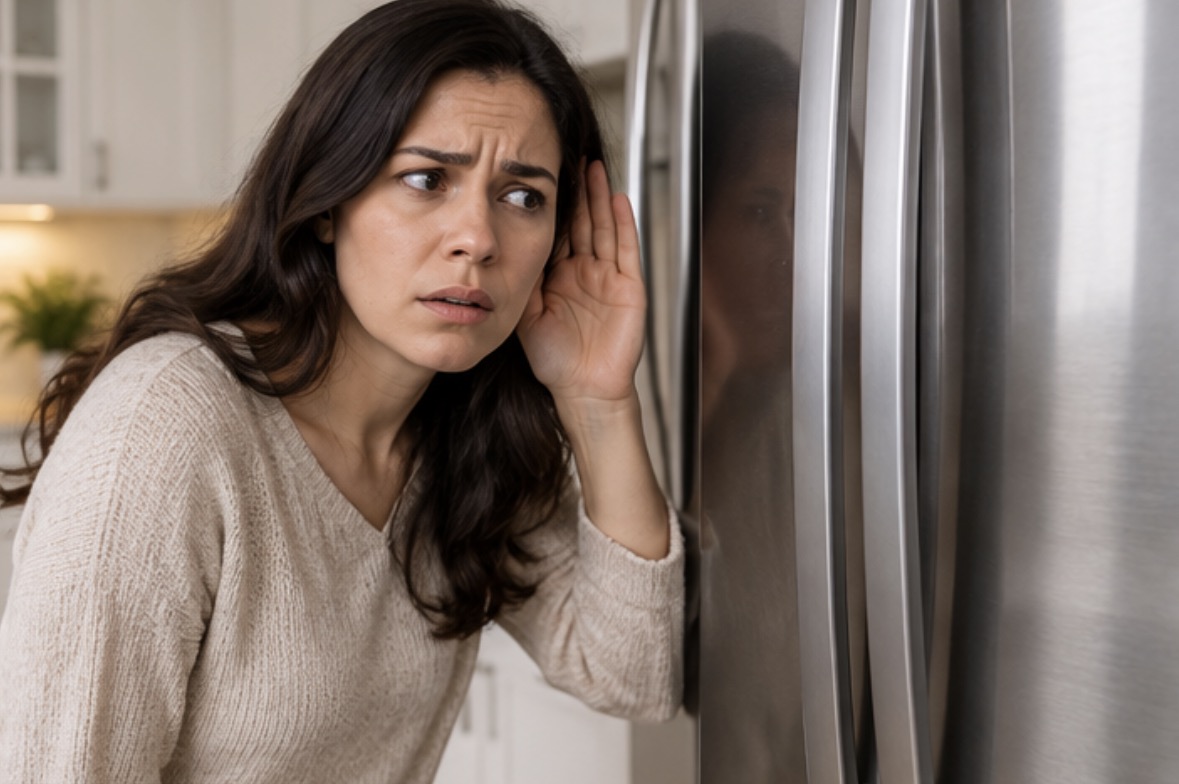
Humming and buzzing are among the most common refrigerator noises because several operating components can produce them. The key is determining where the sound comes from and whether it has changed.
Compressor Humming
The compressor produces a low hum while it is running. You may notice the sound more during periods when the refrigerator is actively cooling.
A louder-than-usual hum deserves attention when it is accompanied by:
- Longer-than-normal cooling cycles
- Poor refrigerator or freezer temperatures
- Excessive heat around the appliance
- New vibration or rattling
- A change in the refrigerator’s normal operating pattern
A loud hum does not automatically mean the compressor has failed. Other problems can make the cooling system work harder, so diagnosis should come before replacing an expensive component.
Condenser Fan Buzzing or Rattling
The condenser fan helps move air through the refrigerator’s cooling system. Dust, debris, a worn fan motor, or something contacting the fan can create a buzzing or rattling noise.
This sound often comes from the lower rear portion of the refrigerator. If the noise changes when the refrigerator’s cooling cycle changes, the condenser area is one place a technician may inspect.
Evaporator Fan Grinding or Squealing
The evaporator fan circulates cold air inside the refrigerator and freezer compartments. A worn motor or frost interfering with the fan can cause grinding, squealing, or scraping.
A useful clue is the location of the noise. If it seems to come from inside the freezer and changes when the freezer door is opened, the evaporator fan may be involved.
Ice Maker Buzzing
A short buzz during an ice-making cycle can be normal. The water inlet valve may operate briefly to fill the ice maker.
However, a repeated buzzing sound can indicate an issue with the water supply, inlet valve, or ice maker. If the refrigerator is connected to a water line, checking for obvious kinks or a closed supply valve can provide useful information before scheduling service.
Refrigerator Noise vs. Possible Cause
| Sound or symptom | Possible source | What homeowners should notice |
|---|---|---|
| Quiet, steady hum | Compressor or fan | Cooling remains normal |
| Occasional click | Normal cycling or control | Happens only occasionally |
| Repeated clicking | Starting components or compressor-related issue | Refrigerator may stop cooling |
| Buzz from lower rear | Condenser fan or vibration | Noise may change during cooling |
| Grinding inside freezer | Evaporator fan or frost | Sound may change when freezer door opens |
| Short buzz during ice cycle | Water valve or ice maker | Happens around ice production |
| Rattling or vibration | Cabinet, panel, tubing, or nearby surface | Refrigerator may be touching something |
| Loud noise plus poor cooling | Multiple possible causes | Needs professional diagnosis |
This table is a troubleshooting guide, not a diagnosis. Different refrigerator components can produce similar sounds, so a technician may need to inspect the appliance to identify the actual source.
What Can You Safely Check Before Calling for Repair?
Before scheduling service, homeowners can make a few simple observations. These checks can sometimes identify an obvious source of the noise and give the appliance technician better information.
Start With These Homeowner Checks
- Find the location of the noise. Listen near the freezer, refrigerator compartment, lower rear, or ice maker.
- Check whether the appliance is still cooling. A strange noise combined with rising temperatures is more concerning than a noise by itself.
- Look for obvious vibration. Make sure the refrigerator is not touching a wall, cabinet, or nearby appliance.
- Check accessible areas for heavy dust. Excessive dust around ventilation areas can affect airflow and cooling performance.
- Pay attention to timing. Note whether the sound happens continuously, every few minutes, only during cooling, or only during ice production.
Avoid removing electrical covers, working on wiring, or opening the sealed refrigeration system. Those components require appropriate tools and repair procedures.
When Should You Call for Refrigerator Repair?
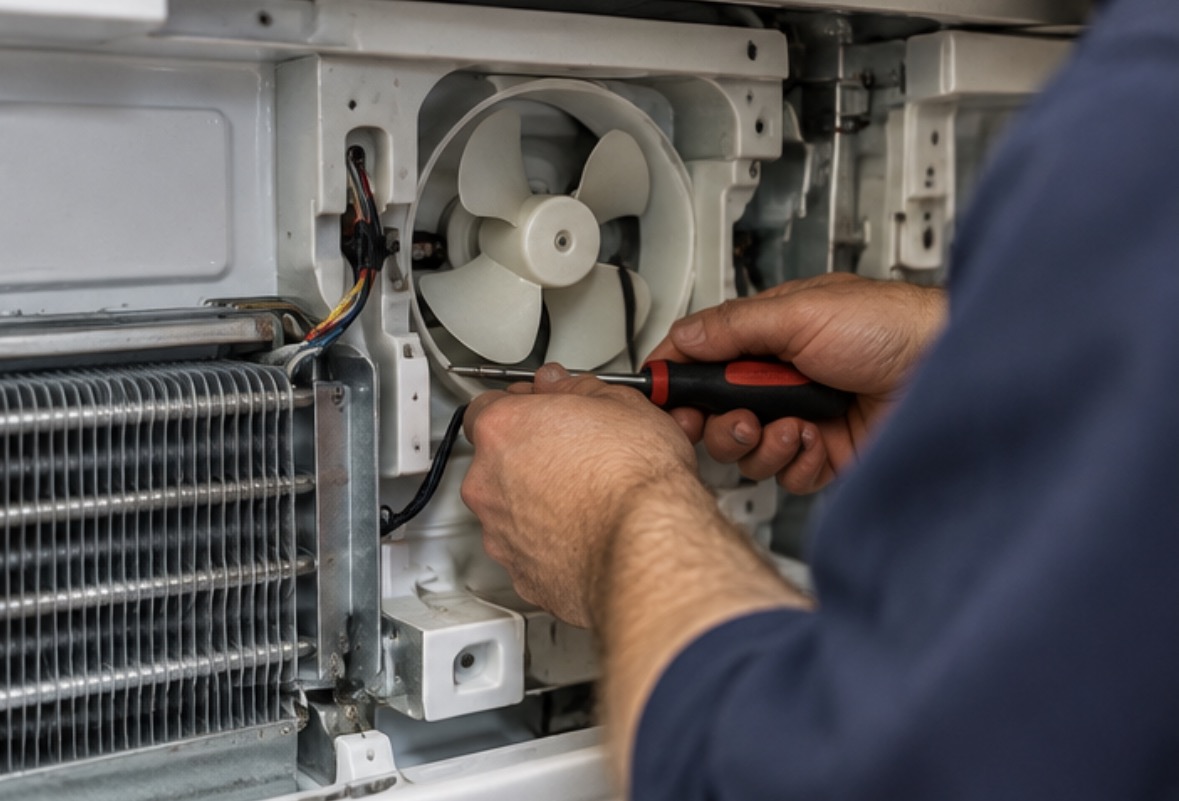
Not every unusual refrigerator sound requires immediate service, but a new or worsening noise should be taken seriously when it occurs with changes in cooling, temperature, or cycling. A professional diagnosis can help determine whether the issue involves a fan, compressor, start relay, or another component.
Consider scheduling professional refrigerator repair if:
- The refrigerator repeatedly clicks and does not cool properly.
- Food is becoming warmer than usual.
- A normal hum has suddenly become much louder.
- You hear persistent grinding or squealing.
- The appliance is vibrating excessively.
- A fan appears to be making unusual noise.
- The refrigerator runs continuously but struggles to maintain temperature.
The combination of noise + poor cooling is especially important. A technician can inspect the refrigerator’s fans, controls, compressor-start components, and other systems to determine what is actually causing the problem.
Frequently Asked Questions
Is it normal for a refrigerator to click?
An occasional click can be normal as the refrigerator’s controls and components operate. Repeated clicking every few minutes, especially when the appliance is not cooling properly, can indicate a problem that needs diagnosis.
Why is my refrigerator humming louder than before?
A refrigerator normally produces some humming from its compressor and fans. If the hum has become noticeably louder, check whether cooling performance has changed and whether the appliance is vibrating against surrounding cabinets or walls. Persistent noise should be inspected if it is accompanied by other symptoms.
What does a buzzing refrigerator mean?
Buzzing can come from the compressor, condenser fan, evaporator fan, ice maker, or water inlet valve. The timing and location of the sound help narrow down the source. A brief buzz during ice production is different from continuous buzzing accompanied by poor cooling.
Why does my refrigerator make a grinding noise inside the freezer?
A grinding or scraping sound inside the freezer can come from the evaporator fan or frost interfering with the fan blade. If the sound changes when you open the freezer door, mention that detail when scheduling appliance service.
Should I repair my refrigerator if it is making a strange noise?
If the refrigerator is cooling normally, the noise may have a relatively simple cause. If the noise is persistent or occurs with poor cooling, repeated clicking, excessive vibration, or unusual fan sounds, professional diagnosis can help prevent a small problem from becoming a larger repair.
Why Choose District Appliance Services for Refrigerator Repair in Arlington, VA?
A refrigerator that starts clicking, humming, buzzing, or grinding differently should be checked before the problem affects cooling performance. At District Appliance Services, we use the sound, its location, timing, and the refrigerator’s performance to help identify the actual cause instead of guessing at the faulty part.
Our licensed technicians provide professional refrigerator repair for homeowners in Arlington, VA. Whether the issue involves a fan, control, ice maker, compressor-start component, or another refrigerator part, we focus on finding the underlying problem and recommending the appropriate repair.
If your refrigerator is making an unusual noise or struggling to keep food cold, learn more about our refrigerator repair service and schedule an appointment with our team.