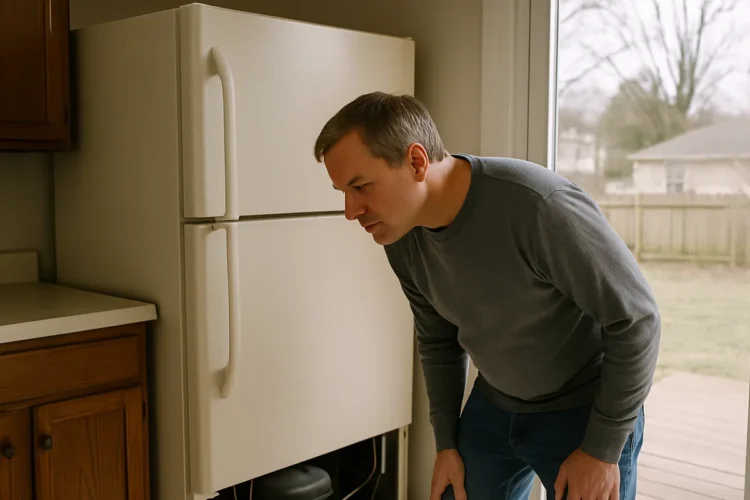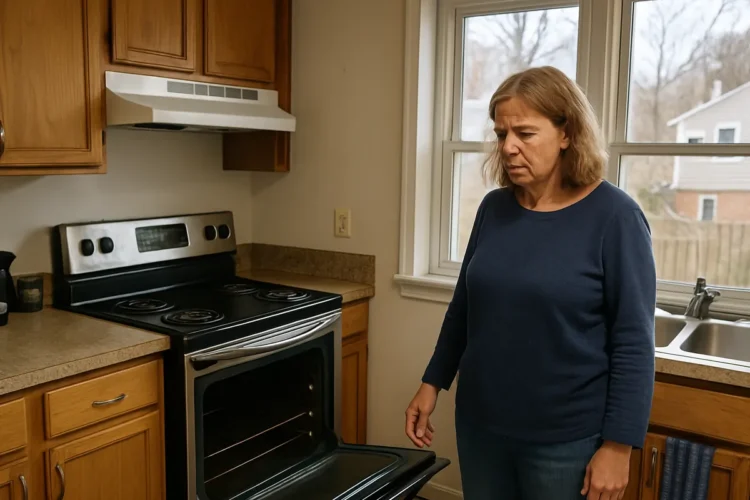


When a major appliance breaks down, the first question most homeowners ask is whether it is worth fixing or time to buy new. It is a fair question, and the answer is not always obvious. Replacing too soon means spending on a unit that had years left, while pouring money into a failing one only delays the inevitable.
The good news is that several clear signs point toward repair being the smarter choice. Knowing them helps you avoid an unnecessary purchase and get full value from an appliance you already own. Here are five signs that usually mean a professional appliance repair is the better call, along with when replacement genuinely makes more sense.
Why the Repair-or-Replace Question Matters for Arlington Homeowners

A new refrigerator, washer, or range is a significant purchase, often several times the cost of a repair, so the decision deserves more than a guess. In Arlington and the wider DMV, many homes also run mid-range and high-end appliances that are well worth maintaining rather than discarding at the first sign of trouble.
The smart approach weighs a few factors together: the appliance’s age against its expected lifespan, the nature of the problem, the repair cost compared with a replacement, and how reliable the unit has been. Looking at the whole picture, rather than reacting to a single breakdown, is what separates a confident decision from an expensive one. The signs below make that picture much easier to read.
Sign #1: The Appliance Is Still Within Its Expected Lifespan
Age is the first thing to check, because most appliances are worth repairing through the bulk of their service life. If your unit is only partway through its expected years and has been reasonably maintained, a repair usually buys plenty more use. Typical lifespans give a useful benchmark:
| Appliance | Typical Lifespan |
|---|---|
| Refrigerator | 10 to 13 years |
| Washing machine | 10 to 12 years |
| Clothes dryer | 10 to 13 years |
| Dishwasher | 9 to 10 years |
| Electric or gas range | 13 to 15 years |
| Microwave | 7 to 9 years |
If the appliance is comfortably inside its range, repair is usually the sensible move. Once it is near or past the upper end, the math starts shifting toward replacement, which the later signs help you weigh.
Sign #2: The Problem Is a Single, Common Part

Many appliance breakdowns come down to one worn or failed component, not the whole machine wearing out. Those parts are well understood, widely stocked, and usually affordable, which makes repair the obvious choice. A dryer that will not heat often needs a heating element or thermal fuse, and a washer that will not drain frequently needs a new drain pump rather than a new machine.
The same is true for a refrigerator or freezer with a failed start relay, a dishwasher with a clogged or failed pump, or a range with a bad igniter or burner element. When a technician can trace the symptom to a single, replaceable part on an otherwise sound appliance, fixing it restores full function for a fraction of replacement cost. The key is an accurate diagnosis, so you are replacing the part that actually failed rather than guessing.
Sign #3: The Repair Costs Well Under Half of a Replacement
Cost is often where the repair-versus-replace decision becomes much easier. While every situation is different, many appliance professionals use a version of the 50% rule: if the repair costs significantly less than half the price of a comparable replacement appliance, repair is usually the smarter financial choice, especially when the appliance is still performing well overall.
For example, replacing a refrigerator compressor on a 15-year-old unit may not make financial sense. On the other hand, repairing a faulty dishwasher pump, dryer heating element, washer drain pump, or refrigerator control board often costs a fraction of what a new appliance would cost. In many Arlington-area service calls, homeowners are surprised to learn that what seemed like a “replacement-level” problem is actually a repairable component failure.
Situations Where Repair Usually Makes Sense
- The appliance is less than 8–10 years old and has been otherwise reliable.
- The repair costs less than 50% of replacement cost, including delivery and installation fees.
- This is the first significant repair the appliance has needed.
- The issue is limited to a single component rather than multiple failing systems.
- Replacement would require additional expenses, such as haul-away fees, cabinet modifications, or new utility connections.
The key is comparing the total ownership cost, not just the repair invoice. A $250–$400 repair may initially seem expensive, but when replacing the appliance could realistically cost $1,000–$2,000 after delivery, installation, and disposal fees, repair often provides the better value. The only exception is when a major repair is being performed on an appliance already nearing the end of its expected lifespan.
Sign #4: It Is a Mid-Range or High-End Brand Worth Keeping

Not all appliances are built the same, and the quality of the unit matters in the decision. A well-made appliance from a quality brand is engineered to last and to be serviced, so repairing it preserves equipment that would be expensive to match at the same level. Replacing it with a budget model is often a step down in both performance and durability.
This comes up frequently in Arlington homes that have invested in mid-range or high-end refrigerators, ranges, and laundry pairs. Parts for those brands are generally available, and a repair keeps the features and build quality you paid for. With a basic, entry-level appliance near the end of its life, the calculation can tip the other way, but a quality unit is usually worth fixing well into its service life.
Sign #5: The Appliance Has Been Reliable Until Now
Track record tells you a lot. An appliance that has run dependably for years and then develops a single issue is usually worth repairing, because one problem on an otherwise solid unit is the exception, not a pattern. A first repair on a reliable machine is rarely the start of a downward spiral.
The picture changes when breakdowns start stacking up. If you have called for service two or three times in a short span, or different parts keep failing one after another, the appliance may be wearing out as a whole. A single, isolated failure on a unit with a clean history points clearly toward repair, while a recurring pattern is the signal to start weighing a replacement instead.
When Does Replacement Actually Make More Sense?

One of the biggest mistakes homeowners make is assuming every unusual noise, leak, or performance issue means an appliance is finished. In reality, many refrigerators, washers, dryers, and dishwashers are replaced while still having years of useful life left. The better question is not whether the appliance has a problem, but whether the problem makes financial sense to repair.
A replacement conversation becomes more realistic when you start seeing multiple indicators at the same time:
| Situation | Why Replacement May Be Worth Considering |
|---|---|
| Appliance is nearing the end of its expected lifespan | Future repairs become more likely as additional components wear out |
| Major internal component has failed | Compressors, sealed systems, transmission assemblies, and control boards can be costly repairs |
| Repair costs keep stacking up | Multiple service calls within a short period often signal broader wear |
| Performance problems continue after previous repairs | The issue may extend beyond a single failed part |
| Parts are difficult to source | Older models can become expensive and time-consuming to repair |
That said, these situations are far less common than many homeowners think. We frequently find appliances that appear ready for replacement but only need a targeted repair to restore normal operation. The difference comes down to a professional diagnosis that evaluates the condition of the entire appliance rather than judging it based on a single symptom.
Why Choose District Appliance Services for Appliance Repair in Arlington, VA

Many appliance problems look worse than they actually are. A refrigerator that is not cooling properly, a washer making unusual noises, or a dryer taking longer to finish a cycle does not automatically mean replacement is the only option. In many cases, these issues can be resolved with the right repair, extending the life of an appliance that still has years of reliable service left.
District Appliance Services helps homeowners throughout Arlington and the DMV identify whether an appliance truly needs replacement or simply needs professional attention. Our licensed and insured technicians diagnose the root cause of the problem, explain what failed, and provide honest recommendations backed by experienced appliance repair service.
If your appliance is showing warning signs but still has value left in it, don’t assume the replacement route is your only choice. Schedule a professional evaluation and get clear answers before investing in a new appliance.