
Master DIY Refrigerator Repair Techniques Today
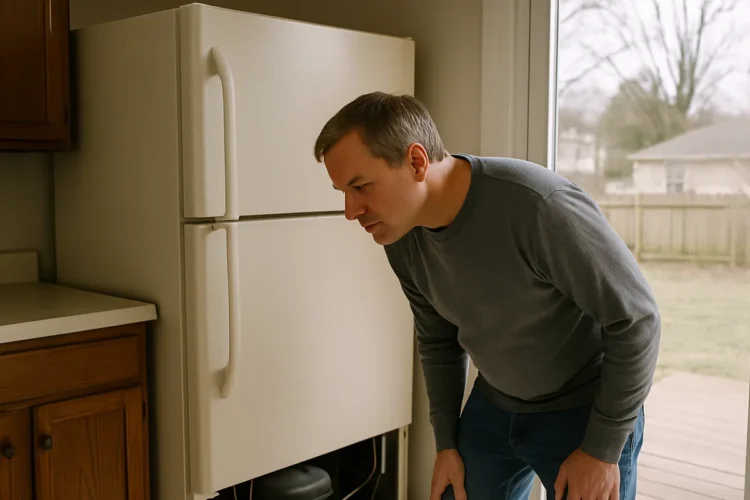
Is your refrigerator not cooling properly? Many homeowners face this frustrating problem, but the good news is that DIY refrigerator repair techniques can save time and money.
In this guide, you’ll learn how to identify common issues, gather essential tools, and follow step-by-step fixes for cooling problems and noisy operations. By mastering these skills, you can keep your refrigerator running smoothly, giving you peace of mind and extending its lifespan.
Let’s get started on making those repairs easy and efficient!
Understanding DIY Refrigerator Repair Techniques

Understanding basic refrigerator repair techniques can empower homeowners to tackle common issues effectively. Utilizing tools like a multimeter is vital when checking the electrical components, ensuring that everything functions as it should.
By gaining knowledge of how each part works together, including the relationship between the heating element and cooling system, repairs become more manageable.
Another essential technique involves regular maintenance, such as keeping the coils clean. A vacuum cleaner can efficiently remove dust and debris from these areas, enhancing energy efficiency and performance. This simple action not only prevents major malfunctions but also prolongs the life of the appliance.
When to Tackle Repairs Yourself—and When to Call a Pro
Homeowners should also understand when professional help is necessary. If diagnosing the problem seems overwhelming, especially with complex components like those found in an oven or other appliances, reaching out to experts can save time and ensure proper repairs. Knowing one’s limits can prevent further damage and keep appliances running smoothly.

When you think the issue exceeds your DIY capacity, District Appliance Services is always a call away to help. Serving Montgomery County, Northern Virginia, and Washington DC, our reliable experts are proficient at not only identifying but also solving any refrigerator repair issues, making your life easier!
Now that the basics of DIY refrigerator repair are clear, it’s time to spot the common problems that could be lurking. Knowing these issues will help every homeowner tackle repairs with confidence and skill.
Identifying Common Refrigerator Issues

Homeowners can master the art of DIY refrigerator repair by identifying common issues.
- Recognizing temperature fluctuation problems often points to evaporator or condenser malfunctions.
- Spotting water leaks around the fridge may indicate a clogged defrost drain, while unusual noises can suggest compressor or circuit breaker troubles.
- Diagnosing ice maker problems can save time and frustration, helping keep everything running smoothly.
Recognizing Temperature Fluctuation Problems
Homeowners should take note of temperature fluctuation problems, as they often signal issues with the power supply or faulty components within the refrigerator. If the appliance fails to maintain a consistent energy level, it may lead to spoiled food or inefficient cooling.
Checking for clogs or kinks in the hoses can help ensure proper airflow and might resolve the issue. For those still under warranty, it’s advisable to document temperature irregularities, as this may expedite service from professionals who can diagnose more complex problems.
Spotting Water Leaks Around the Fridge
Spotting water leaks around the fridge is essential for maintaining the efficiency of the machine. Homeowners should check under and behind the appliance, as leaks can originate from loose screws in the water supply line or a malfunctioning compressor.
Utilizing a small brush to clean surrounding areas helps clear any debris that may obstruct proper drainage, making it easier to identify the source of the leak and ensuring the refrigerator operates smoothly.
Diagnosing Unusual Noises From the Appliance
Diagnosing unusual noises from the refrigerator can help homeowners fix small appliance issues quickly. If a fridge is humming loudly or making clunking sounds, it could indicate a problem with the power cord or components like the compressor.
Listening carefully to these sounds can guide a technician in understanding whether the refrigerator needs maintenance or if there’s a blockage affecting drainage, leading to more significant breakdowns later on.
Always check for loose parts or vibrations that may cause noise, and if the problem persists, knowing the local zip code can help in finding a reliable appliance repair service for quick assistance.
Identifying Malfunctions in the Ice Maker
Identifying malfunctions in the ice maker can save homeowners from the frustration of warm drinks and unsatisfactory ice production. Issues often arise from a blocked water line, which can be easily checked by inspecting the wire connections for kinks.
Using a vacuum to clean the ice maker area and ensuring that the appliance is within any existing home warranty can help facilitate quick repairs, keeping customers satisfied and their drinks cool.
Once the problems in your refrigerator are clear, it’s time to tackle them head-on. The tools you need will make all the difference in turning those repairs from tough to manageable.
Essential Tools for Refrigerator Repairs

Gathering basic hand tools for refrigerator repairs is the first step in tackling common appliance issues. Homeowners should also prioritize selecting the right replacement parts, such as pumps, relays, valves, and refrigerants.
For more complex tasks, investing in specialized tools can make all the difference. Each of these aspects plays a vital role in ensuring efficient repairs and maintaining refrigerator performance.
Gathering Basic Hand Tools for Repairs
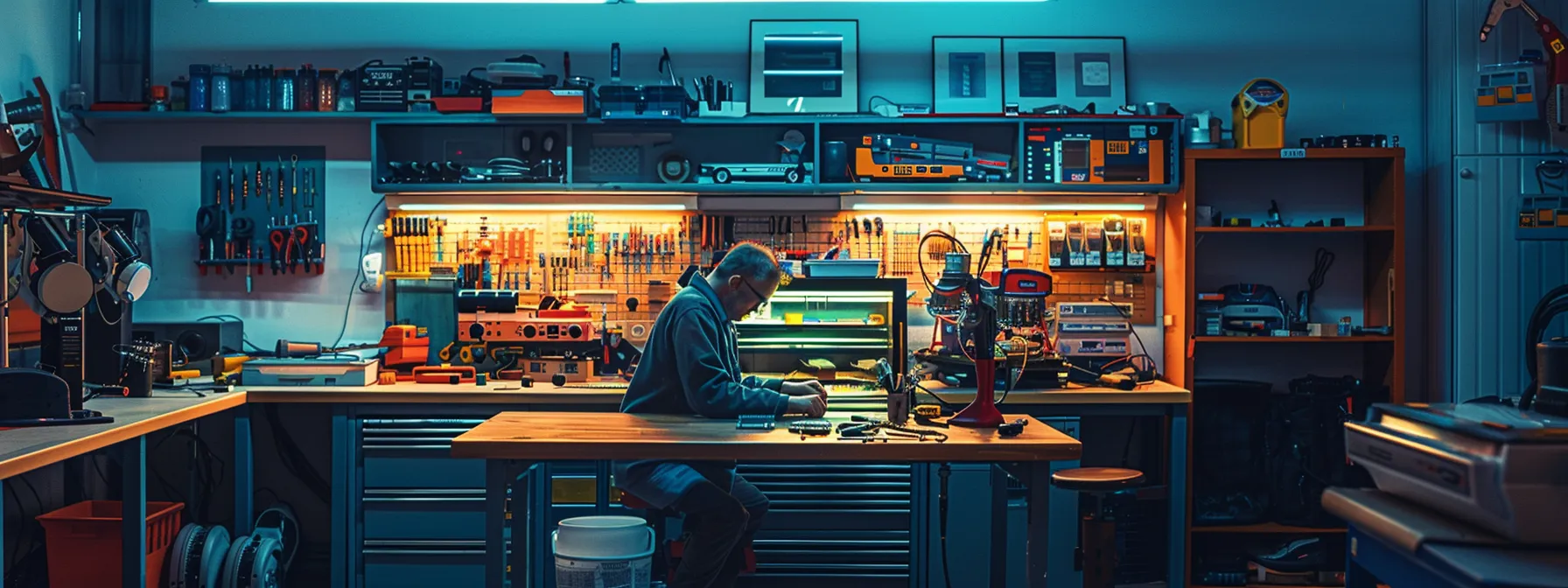
When it comes to gathering basic hand tools for refrigerator repairs, homeowners should focus on having the essentials at their fingertips. A sturdy:
- Screwdriver set
- Pliers and
- A Multimeter
are crucial for checking electrical components and addressing minor issues, like strange noises or clogs caused by debris. By preparing with these fundamental tools, tackling any major appliance repair, including a clothes dryer or refrigerator, becomes a straightforward and efficient process, helping to keep appliances running smoothly without unnecessary stress.
Selecting the Right Replacement Parts
Selecting the right replacement parts is essential for effective DIY refrigerator repairs. Homeowners should carefully consider components related to the water supply, airflow, and electrical wiring to maintain optimal performance.
For instance, choosing high-quality seals and filters can prevent leaks and improve cooling efficiency while ensuring that pipes are in good condition to avoid disruptive blockages. Keeping a handy inventory of common parts will make the repair process smoother and help address appliance issues promptly, leading to long-lasting satisfaction.
Investing in Specialized Tools for Complex Tasks
Investing in specialized tools can make complex refrigerator repairs much more manageable for homeowners.
For example, a quality wrench and a set of pliers are essential for tasks like adjusting the thermostat or replacing damaged components. When dealing with intricate issues, having the right screwdriver set ensures that every screw is easily handled, allowing for efficient repairs without frustration.
With the right tools in hand, the next step waits. Fixing cooling issues is a matter of following a few simple steps to bring your fridge back to life.
Step-by-Step Guide to Fixing Cooling Issues

- Start by checking and adjusting temperature settings, ensuring the refrigerator is set to the ideal level for optimal cooling.
- Next, cleaning the condenser coils can significantly enhance performance by removing dust that hinders efficiency.
- Finally, inspecting and repairing the evaporator fan is essential for maintaining airflow; a properly functioning fan prevents frost buildup and keeps the icemaker running smoothly.
Each of these steps is vital for effective DIY refrigerator repairs.
Checking and Adjusting Temperature Settings
Checking and adjusting temperature settings is the first vital step for homeowners dealing with cooling issues in their refrigerator. Ensuring that the thermostat sensor reads accurately is crucial; even a small fluctuation can lead to unwanted ice buildup or spoilage of food.
If problems persist after making adjustments, consider checking other components like the capacitor or ensuring that there are no obstructions, such as shims, preventing the door from closing properly. This simple yet effective approach can save homeowners from the hassle of more complex repairs down the line.
Cleaning Condenser Coils for Optimal Performance
Cleaning condenser coils is a crucial step in ensuring optimal refrigerator performance, especially for those with water dispensers that require consistent cooling. Over time, these coils can accumulate mineral buildup and dust, which impedes airflow and efficiency.
Homeowners should aim to clean the coils every six months, using a vacuum or brush to remove debris and enhance cooling capabilities, leading to longer appliance life and reduced energy costs.
Inspecting and Repairing the Evaporator Fan
Inspecting and repairing the evaporator fan is essential for maintaining proper airflow and ensuring effective cooling in any refrigerator. Homeowners should first unplug the appliance and then locate the fan, usually found near the evaporator coils.
Checking for any obstructions or dirt buildup can often resolve cooling issues; if the fan is not running smoothly, it may need to be replaced. By taking these simple steps, homeowners can improve the refrigerator’s performance and extend its lifespan, ensuring their food remains fresh and cool for longer.
The cooling issues may be resolved, but the journey doesn’t end there. Next, we turn to the ice maker, where the promise of cold, crisp ice awaits those ready to tackle its secrets.
Techniques for Repairing an Ice Maker

Repairing an ice maker involves a few straightforward techniques that can restore its functionality. Homeowners can begin by clearing ice blockages in the system, ensuring proper water flow. If problems persist, replacing a faulty water inlet valve may be necessary.
Lastly, adjusting the ice maker settings can help achieve the desired ice production. Each of these steps provides practical solutions to common ice maker issues.
Clearing Ice Blockages in the System
Clearing ice blockages in the ice maker system is essential for maintaining its functionality and ensuring a steady supply of ice. Homeowners can start by gently warming the area around the ice maker with a hairdryer to melt any accumulated ice while being cautious not to damage any components.
If the blockage continues, checking the water line for kinks or obstructions can help restore proper water flow, allowing the ice maker to operate efficiently and keep drinks cool all summer long.
Replacing a Faulty Water Inlet Valve
Replacing a faulty water inlet valve is a straightforward task that can enhance the ice maker’s performance and cold beverage enjoyment. Homeowners will first need to unplug the refrigerator and access the valve, usually found at the back behind the panel.
Once located, they can detach the old valve, identify the correct replacement part, and connect the new one securely, ensuring all fittings are tight to prevent leaks. This simple fix not only restores ice production but also eliminates the risk of water damage, making it a smart solution for any homeowner looking to tackle DIY refrigerator repairs.
Adjusting the Ice Maker Settings
Adjusting the ice maker settings can greatly improve ice production and quality for homeowners striving for the perfect cool drink. It’s essential to check the ice maker’s control settings, as simple tweaks can help achieve the desired freeze time and ice size.
By monitoring the production rate and making necessary adjustments, homeowners can ensure a steady supply of ice, preventing the frustration of warm beverages when guests arrive.
Repairing an ice maker can lead to unexpected challenges. Next, we turn our attention to troubleshooting those puzzling noises coming from your refrigerator.

Troubleshooting Noisy Refrigerator Problems
Locating and removing obstructions in fans can significantly reduce unwanted noise in a refrigerator. Homeowners can also tighten loose components, which often contribute to annoying sounds. If noise issues worsen, replacing worn-out parts may be necessary to restore peace.
Each of these steps offers practical solutions, empowering homeowners to tackle noisy refrigerator problems effectively.
Locating and Removing Obstructions in Fans
Locating and removing obstructions in refrigerator fans is straightforward yet essential for reducing noise and improving efficiency. Homeowners should begin by unplugging the appliance to ensure safety, then carefully inspect the fans for any debris or ice buildup.
Clearing away dirt and obstructions not only quiets the operation but also guarantees optimal airflow, allowing the refrigerator to cool effectively and maintain freshness for longer periods.
Tightening Loose Components to Reduce Noise
Tightening loose components in a refrigerator is a simple yet effective way to reduce noise and improve overall performance. Homeowners can check screws and bolts within the appliance, especially around the compressor, fans, and door hinges, as these areas often vibrate and create unwanted sounds.
By ensuring everything is securely fastened, the refrigerator operates more quietly, enhancing the kitchen atmosphere while helping the appliance run smoothly.
Replacing Worn-Out Parts to Eliminate Sound Issues
Replacing worn-out parts can be a game-changer for homeowners dealing with noisy refrigerators. Components such as fans, compressors, and door seals may degrade over time, leading to increased noise levels.
By identifying and replacing these faulty parts, homeowners can restore quiet operation while enhancing the overall efficiency of their fridges, making sure they work seamlessly for years to come.
Fixing a noisy refrigerator brings relief, but that’s just the beginning. Knowing how to maintain it after repairs ensures it runs smoothly for years to come.

Maintaining Your Refrigerator After Repairs
Regular cleaning and maintenance practices are essential for keeping the refrigerator running smoothly after repairs. Homeowners should monitor performance so it operates as expected. It’s also important to keep safety in mind during any repair work, protecting both the appliance and those using it.
This overview leads into detailed discussions on effective cleaning methods, performance checks, and safety tips that every homeowner should consider.
Regular Cleaning and Maintenance Practices
Regular cleaning and maintenance practices play a crucial role in keeping refrigerators functional after repairs. Homeowners should prioritize tasks like wiping down surfaces and cleaning the condenser coils, as these actions help maintain optimal performance and energy efficiency.
By routinely checking door seals for wear and tear, homeowners can prevent cool air leaks, ensuring that food stays fresh longer and the refrigerator operates smoothly.
Monitoring Performance Post-Repair
Monitoring performance after refrigerator repairs is essential for ensuring that everything is functioning as it should. Homeowners should regularly check the temperature settings and make sure the appliance maintains a consistent cooling level, which helps avoid food spoilage.
Keeping an ear out for unusual noises or monitoring for leaks can act as early warning signs, allowing for quick intervention before minor issues develop into costly repairs.
Keeping Safety in Mind During Repairs
Keeping safety in mind during refrigerator repairs is essential for homeowners tackling DIY projects. Check to see if the refrigerator is unplugged before beginning any repairs to prevent electrical mishaps while using gloves can protect against sharp edges or hazardous materials.
Additionally, having a well-lit workspace allows for better visibility to identify any potential issues, ensuring a safer and more efficient repair process.

From DIY to Pro Help: District Appliance Services Has You Covered!
Mastering DIY refrigerator repairs can be empowering and cost-effective, helping you handle everyday appliance issues with confidence. But when repairs get tricky or require professional tools, it’s best to call in the pros.
At District Appliance Services, we’re your go-to for affordable, reliable home appliance repairs across the DMV area. Whether your fridge isn’t cooling or your dryer’s acting up, we’re fully licensed, insured, and ready to help. Let us save you the hassle and get things running smoothly again—fast!